

N-((1R,3R,6S)-7-oxabicyclo[4.1.0]heptan-3-yl)-2,2,2-trifluoroacetamide from China Suppliers and Factory
Basic Information
Product Description
N-((1R,3R,6S)-7-oxabicyclo[4.1.0]heptan-3-yl)-2,2,2-trifluoroacetamide, with CAS No. 1350636-91-7, molecular formula C₈H₁₂F₃NO₂ and molecular weight 209.17, is a high-value-added chiral oxabicyclic intermediate. It is characterized by fixed 1R,3R,6S chiral configuration and stable trifluoroacetyl-protected structure, serving as a key chiral building block for the synthesis of Lefamulin Acetate, as well as widely applied in chiral pharmaceutical R&D and asymmetric synthesis of fine chemicals.
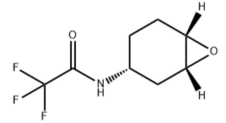
This intermediate takes rigid 7-oxabicyclo[4.1.0]heptane as the core parent nucleus, with three chiral centers at positions 1, 3 and 6 with unique configuration. The amino group at position 3 is protected by trifluoroacetyl group (TFA) to avoid side reactions like oxidation and condensation. It can be selectively removed under mild alkaline conditions without destroying the chiral configuration.
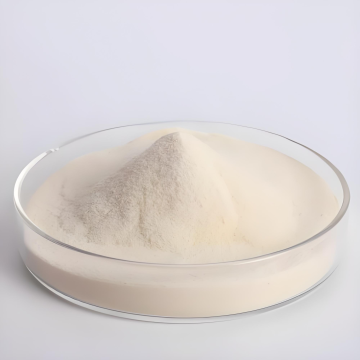
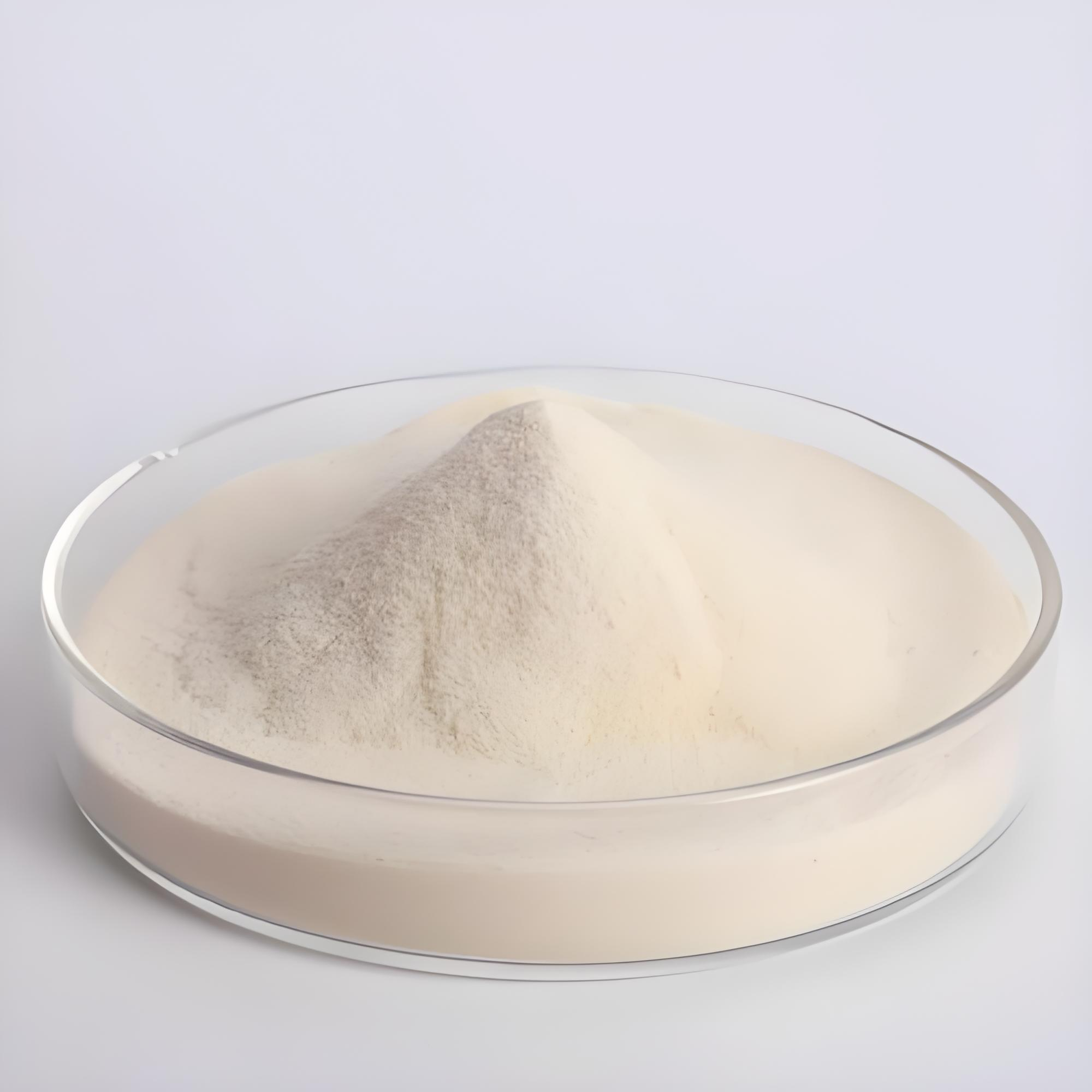
Appears as white to off-white crystalline powder. Easily soluble in organic solvents like dichloromethane, tetrahydrofuran, ethyl acetate, and acetonitrile; slightly soluble in water, and poorly soluble in n-hexane and petroleum ether. It remains stable at room temperature but high temperatures (> 90℃), strong acids, bases, and direct strong light should be avoided.
Mainly used in the synthesis route of Lefamulin Acetate (a novel pleuromutilin antibiotic). Its chiral configuration directly determines downstream API efficacy. It also serves as a chiral intermediate for other anti-infective and central nervous system drugs, and as a precursor to prepare chiral ligands for asymmetric synthesis.
Product Specification
| Item | Unit | Specification |
|---|---|---|
| Appearance | - | White to off-white crystalline powder |
| Solubility | - | Soluble in dichloromethane, tetrahydrofuran, ethyl acetate and acetonitrile; slightly soluble in water; poorly soluble in n-hexane and petroleum ether |
| Identification | - | Infrared spectroscopy + HPLC retention time |
| Other impurities | % | ≤ 0.1 |
| Related Substances - Total Impurities | % | ≤ 1.0 |
| Main peak purity | % | ≥ 99.0 |
| Chiral Purity | % | ≥ 99.5 |
| Storage | - | Sealed and stored in a dry, cool and well-ventilated place |
Frequently Asked Questions (FAQ)
What is the CAS number and chemical formula of this intermediate?
The chemical intermediate has the CAS Registry Number 1350636-91-7, the molecular formula C₈H₁₂F₃NO₂, and a molecular weight of 209.17.
What role does the trifluoroacetyl (TFA) protecting group play?
The TFA protecting group on the amino group at position 3 provides excellent stability, effectively preventing side reactions like oxidation and condensation during synthesis. It can be selectively removed later under mild alkaline conditions (such as methanol/ammonia) without affecting the chiral configuration of the parent nucleus.
What are the primary applications of this chiral intermediate?
It is primarily used as a key building block in the synthesis of Lefamulin Acetate (a novel pleuromutilin antibiotic). Additionally, it is applied in chiral pharmaceutical R&D for other anti-infective and central nervous system drugs, and as a precursor for preparing chiral ligands in asymmetric synthesis.
How should this product be stored to maintain its stability?
It should be sealed and stored in a dry, cool, and well-ventilated area, isolated from oxidants, acids, bases, and hygroscopic agents. Avoid exposure to high temperatures (> 90℃), strong acids/bases, direct strong light, and long-term humidity.
What are the purity standards required for industrial application?
For industrial use, the intermediate must meet strict purity standards: a chiral purity (ee value) of ≥ 99.5% (with chemical purity / main peak purity ≥ 99.0%) or chiral purity ≥ 99% (with chemical purity ≥ 98.5%) to ensure the conversion rate and stability of subsequent synthesis processes.