

China Suppliers Factory of 2-(tert-butoxycarbonyl)-5,7-dichloro-1,2,3,4-tetrahydroisoquinoline-6-carboxylic acid
Basic Information
Product Description
2-(tert-butoxycarbonyl)-5,7-dichloro-1,2,3,4-tetrahydroisoquinoline-6-carboxylic acid is an important tetrahydroisoquinoline derivative containing a tert-butoxycarbonyl (Boc) protecting group. It serves as a crucial organic intermediate for drug synthesis, particularly suitable for the molecular construction of chlorine-containing heterocyclic drugs.
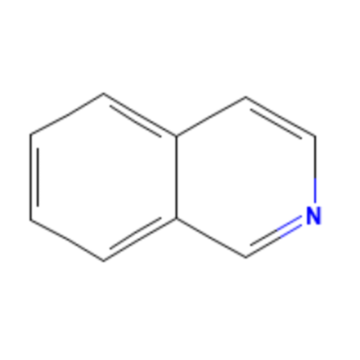
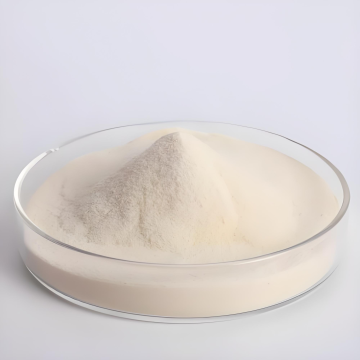
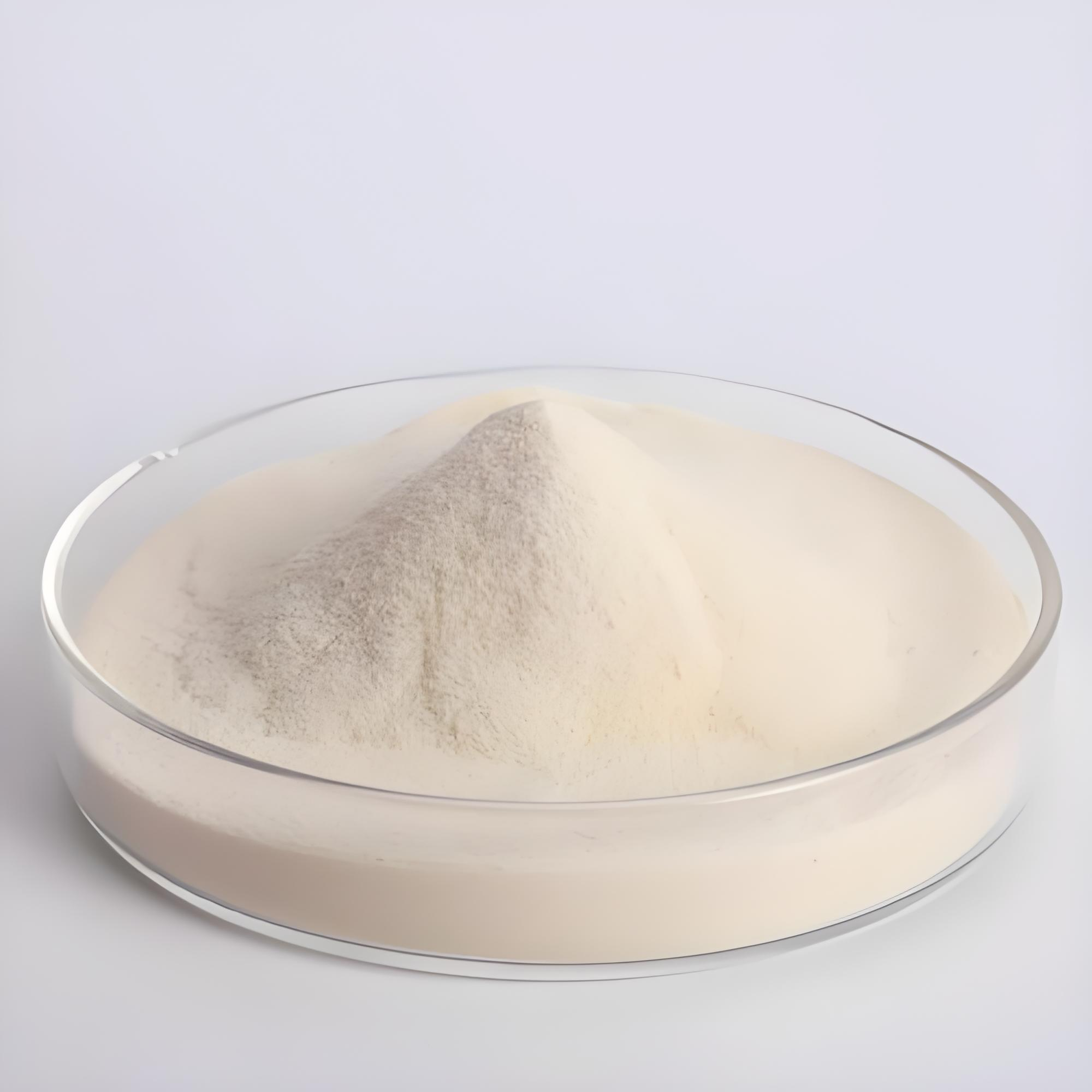
Typically appearing as a white to off-white crystalline powder, it features remarkable chemical stability. Its molecular structure integrates a tetrahydroisoquinoline skeleton, dichloro substituents, a carboxyl group, and a Boc protecting group, providing high adaptability for diverse subsequent synthetic reactions in fine chemicals and pharmaceutical R&D.
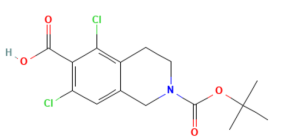
Its key physicochemical properties are as follows: it is soluble in polar organic solvents such as methanol, ethanol, dichloromethane and ethyl acetate, slightly soluble in water, and insoluble in non-polar solvents like petroleum ether and n-hexane. The melting point ranges from 178–182℃, the product purity is generally ≥98% (determined by HPLC), and the water content is ≤0.5%. The Boc protecting group in the molecule can realize selective protection and deprotection of the amino group, facilitating subsequent functional group modification; the 5,7-dichloro substituents can regulate the electron cloud density and lipophilicity of the molecule, the carboxyl group can undergo condensation, amidation and other reactions, and the tetrahydroisoquinoline skeleton provides core structural support for bioactive molecules.
In terms of safety and storage, this compound is slightly irritating to the skin, respiratory tract and eyes. Protective gloves, goggles and masks should be worn during operation to avoid direct contact and inhalation; if contact occurs accidentally, rinse the affected area with plenty of water immediately. It should be sealed in a light-proof container and stored in a cool (2–8℃), dry and well-ventilated place, away from strong oxidants and strong bases (to avoid carboxyl decarboxylation and Boc protecting group detachment), and avoid high temperature and humid environments to prevent oxidation, degradation and other reactions, ensuring storage stability.
Product Specification
| Item | Unit | Specification |
|---|---|---|
| Appearance | — | White to off-white crystalline powder |
| Solubility | — | Soluble in polar organic solvents (methanol, ethanol, dichloromethane, ethyl acetate); slightly soluble in water; insoluble in non-polar solvents (petroleum ether, n-hexane). |
| Melting Point | ℃ | 178–182 |
| Identification | — | Infrared spectroscopy (IR) + HPLC retention time |
| Other Impurities | % | ≤ 0.1 |
| Related Substances - Total Impurities | % | ≤ 2.0 |
| Main Peak Purity | % | ≥ 98.0 |
| Water Content | % | ≤ 0.5 |
| Storage | — | Sealed in a light-proof container; stored in a cool (2–8℃), dry, and well-ventilated place. |
Frequently Asked Questions (FAQ)
The CAS registry number is 851784-82-2, the molecular formula is C₁₅H₁₉Cl₂NO₄, and its molecular weight is 348.22.
It serves as an essential building block and organic intermediate for synthesizing chlorine-containing heterocyclic drugs and complex bioactive molecules.
It dissolves readily in polar organic solvents like methanol, ethanol, dichloromethane (DCM), and ethyl acetate (EA). It is slightly soluble in water and insoluble in petroleum ether or n-hexane.
The main peak purity is ≥98.0% determined by HPLC, with other individual impurities ≤0.1% and total impurities ≤2.0%.
It must be kept in a tightly sealed, light-proof container under refrigerated conditions (2–8℃) in a dry and well-ventilated area, away from strong bases and oxidants.
Operators should wear protective gloves, goggles, and dust masks to prevent contact with skin, eyes, or the respiratory tract.