

China Suppliers Factory: 5-[(S)-2,2-Dimethyltetrahydro-2H-pyran-4-yl]-1-[(1S,2S)-2-methyl-1-(5-oxo-4,5-dihydro-1,2,4-oxadiazol-3-yl)cyclopropyl]-1H-indole-2-carboxylic Acid
Basic Information
Product Description
5-[(S)-2,2-Dimethyltetrahydro-2H-pyran-4-yl]-1-[(1S,2S)-2-methyl-1-(5-oxo-4,5-dihydro-1,2,4-oxadiazol-3-yl)cyclopropyl]-1H-indole-2-carboxylic Acid, abbreviated as DTIOC, is a high-value chiral pharmaceutical intermediate with multiple chiral centers and heterocyclic structures, serving as a key building block for innovative small-molecule drug research and development.
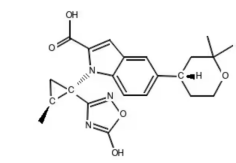
Molecular Structure
Its molecular formula is C₂₂H₂₅N₃O₅, with a molecular weight of 411.45 g/mol. The compound features two fixed chiral centers: (S)-configured tetrahydro-2H-pyran-4-yl and (1S,2S)-configured disubstituted cyclopropyl, integrated with indole mother nucleus, 5-oxo-4,5-dihydro-1,2,4-oxadiazole pharmacophore and 2,2-dimethyltetrahydropyran lipophilic group, which endows it with balanced structure-activity relationship and pharmacokinetic potential.
Physical Properties
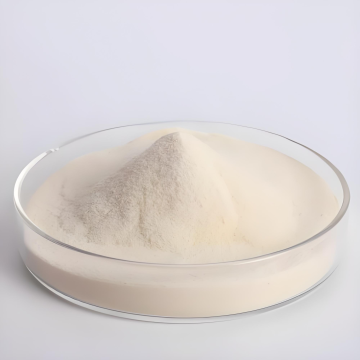
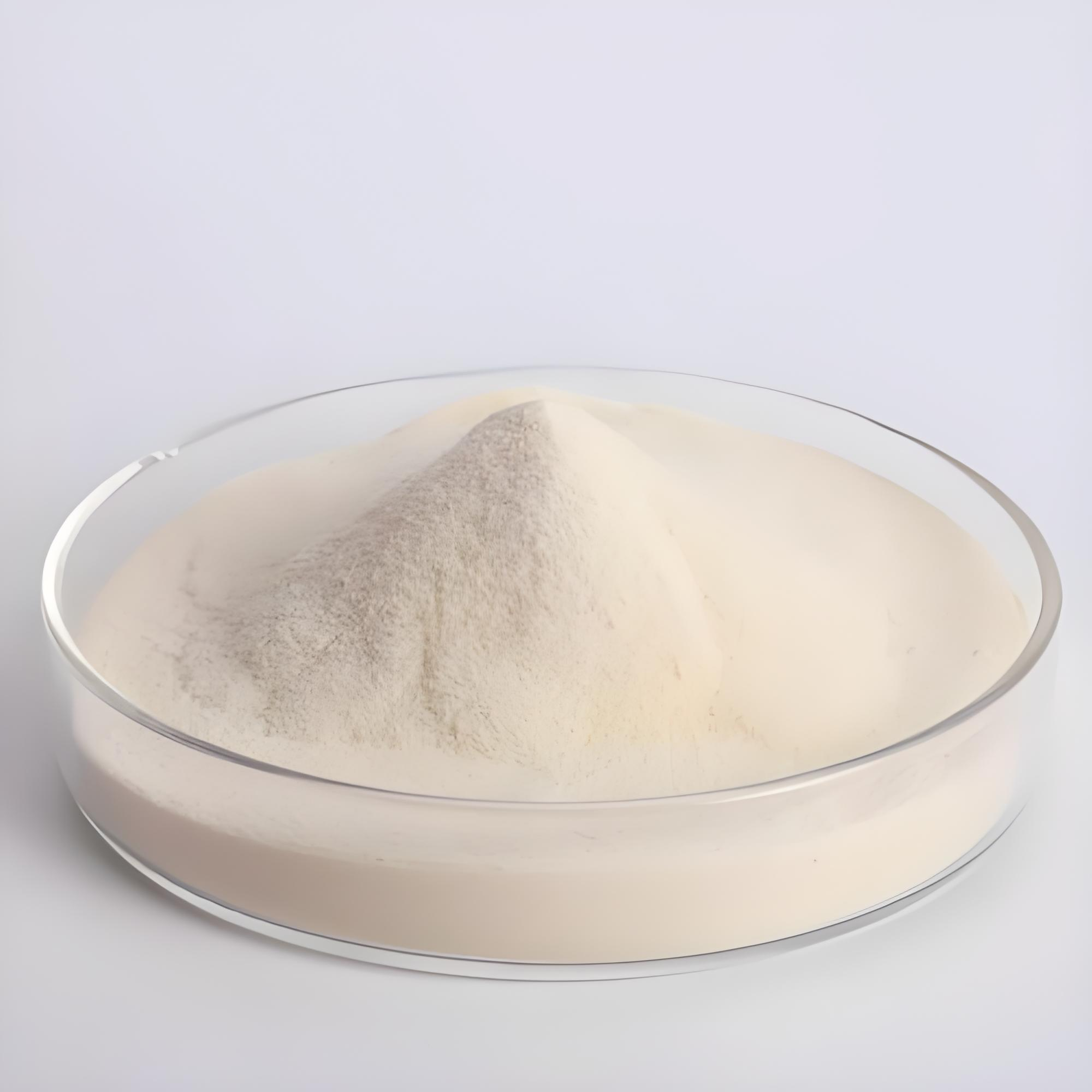
Physically, it appears as an off-white to light yellow crystalline powder at room temperature, soluble in polar organic solvents such as methanol and dichloromethane but poorly soluble in water. It is stable under dry, dark and neutral conditions, decomposes easily in strong acid or alkali environments, and has a melting point of 178-182℃ with slight decomposition.
Key Applications
As a critical chiral intermediate, DTIOC is the key building block for the synthesis of Orforglipron (a promising oral small-molecule GLP-1 receptor agonist) and is mainly used in the R&D and pilot-scale synthesis of drugs targeting malignant tumors, chronic inflammatory diseases and central nervous system disorders. For pharmaceutical intermediate grade, its key quality specifications include HPLC purity ≥98.5%, chiral purity (ee) ≥98.0%, water content ≤0.3% and total heavy metals ≤10 ppm.
Storage & Handling Instructions: It should be stored in vacuum-sealed, moisture-proof and light-proof containers at 2-8℃ for long-term storage. Operation should be carried out in a fume hood with full protective gear to avoid skin contact and powder inhalation. It is only for pharmaceutical R&D and intermediate synthesis, not for clinical use.
Product Specification
| Item | Unit | Specification |
|---|---|---|
| Appearance | off-white to light yellow crystalline powder | |
| Solubility | soluble in polar organic solvents such as methanol and dichloromethane but poorly soluble in water. | |
| Melting point | ℃ | 178-182 |
| Identification | infrared spectroscopy + HPLC retention time | |
| Other impurities | % | ≤0.1 |
| Related Substances - Total Impurities | % | ≤2.0 |
| Main peak purity | % | ≥98.5 |
| Chiral purity | % | ≥98.0 |
| water content | % | ≤0.3 |
| Storage | In a cool, dry, and well-ventilated environment, avoiding moisture, high temperature, and direct strong light, with a recommended storage temperature of 2-8℃ |
Frequently Asked Questions
DTIOC stands for 5-[(S)-2,2-Dimethyltetrahydro-2H-pyran-4-yl]-1-[(1S,2S)-2-methyl-1-(5-oxo-4,5-dihydro-1,2,4-oxadiazol-3-yl)cyclopropyl]-1H-indole-2-carboxylic Acid. It is a high-value chiral pharmaceutical intermediate used as a key building block for innovative small-molecule drug research and development, particularly for the synthesis of Orforglipron.
DTIOC has a molecular formula of C₂₂H₂₅N₃O₅ and a molecular weight of 411.45 g/mol. It features two fixed chiral centers: (S)-configured tetrahydro-2H-pyran-4-yl and (1S,2S)-configured disubstituted cyclopropyl.
It should be stored in vacuum-sealed, moisture-proof, and light-proof containers at a recommended temperature of 2-8℃ for long-term stability. Avoid exposure to moisture, high temperatures, and direct strong light.
DTIOC is soluble in polar organic solvents such as methanol and dichloromethane, but it is poorly soluble in water.
For pharmaceutical intermediate grade, DTIOC features a main peak purity (HPLC) of ≥98.5%, a chiral purity (ee) of ≥98.0%, water content of ≤0.3%, and total heavy metals of ≤10 ppm.
No, this compound is strictly intended for pharmaceutical R&D and intermediate synthesis. It is not for direct clinical use.