

(2S)-tert-Butyl 3-cyano-2-methyl-4-oxopiperidine-1-carboxylate - Top China Suppliers and Factory
Basic Information
Product Description
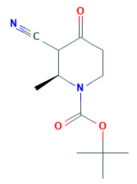
(2S)-tert-Butyl 3-Cyano-2-Methyl-4-Oxopiperidine-1-Carboxylate (molecular formula: C₁₂H₁₈N₂O₃) is a high-value chiral heterocyclic pharmaceutical intermediate with a stable piperidine ring, a privileged structure in drug R&D for its good chemical stability and spatial configuration.
Its unique (S)-chiral configuration and cyano, methyl, ketone, and Boc-protecting groups make it a reliable core building block, supporting synthesis of high-performance drugs like Orforglipron (an emerging GLP-1 drug) and ensuring target product efficacy and safety.
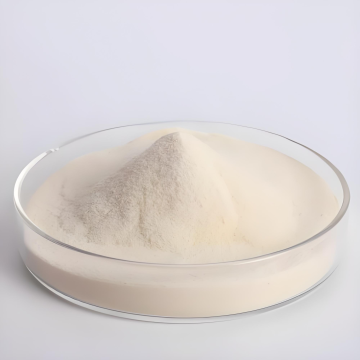
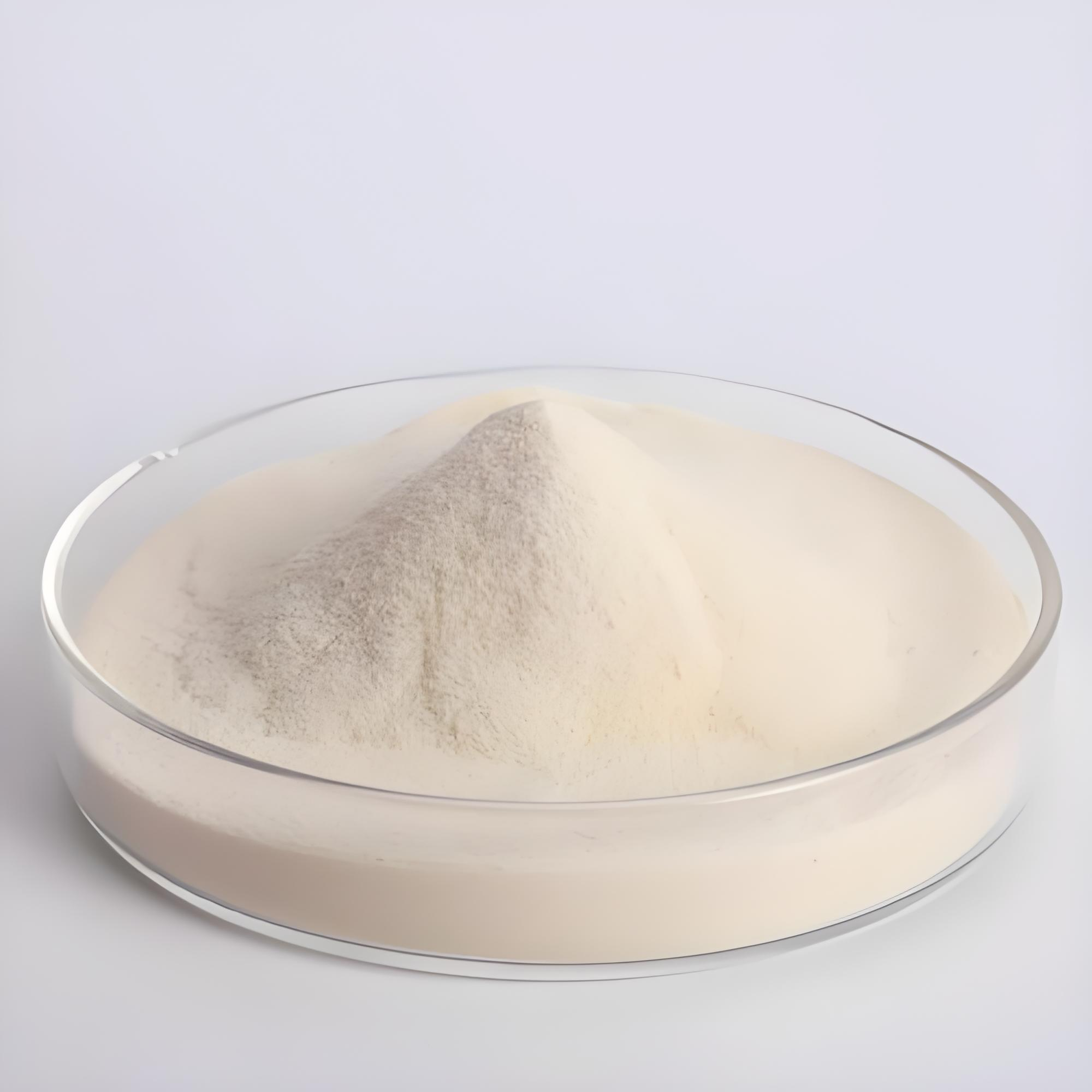
Physicochemically, it is a white to off-white crystalline powder with stable performance, melting at 97-99°C and a predicted density of 1.15±0.1 g/cm³. Slightly soluble in polar organic solvents (chloroform, DMSO, methanol), it fits mainstream pharmaceutical synthesis. Its structural design enhances reaction compatibility, laying a solid foundation for subsequent drug synthesis modification.
It complies with pharmaceutical-grade QC standards, with high purity, excellent chiral purity, and strict control of heavy metals/impurities. Tested by HPLC for batch consistency and purified via mature processes, it meets large-scale pharmaceutical production requirements, reducing customer production risks and costs.
Hygroscopic and easy to store/transport, it requires hermetic packaging in pharmaceutical-grade leak-proof containers, stored at 2-8℃ in a cool, dry, well-ventilated environment. Kept away from moisture, heat, strong light, oxidants and acids/alkalis, it can be nitrogen-protected or paired with desiccants to prevent decomposition/racemization.
Applications & Industry Value
Widely used in pharmaceutical synthesis, it is a key chiral intermediate for heterocyclic drugs (CNS, analgesics, antibacterials) and high-demand oral small-molecule GLP-1 agonists like Orforglipron (for diabetes/obesity). Its stable structure and versatile groups match Orforglipron’s molecular construction needs, simplifying synthesis and boosting yield. It is a high-potential choice for enterprises pursuing efficient, high-quality new drug R&D and bulk production amid booming GLP-1 demand.
Product Specification
| Item | Unit | Specification |
|---|---|---|
| Appearance | - | white to off-white crystalline powder |
| Solubility | - | Slightly soluble in polar organic solvents (chloroform, DMSO, methanol). |
| Identification | - | infrared spectroscopy + HPLC retention time |
| Other impurities | % | ≤0.1 |
| Related Substances - Total Impurities | % | ≤1.0 |
| Main peak purity | % | ≥99.0 |
| Storage | - | In a cool, dry, and well-ventilated environment, avoiding moisture, high temperature, and direct strong light, with a recommended storage temperature of 2-8℃ |
Frequently Asked Questions (FAQ)
A: The molecular formula is C₁₂H₁₈N₂O₃. It is a high-value chiral heterocyclic pharmaceutical intermediate primarily used as a core building block for synthesizing high-performance drugs, such as the GLP-1 receptor agonist Orforglipron.
A: It is slightly soluble in polar organic solvents, including chloroform, DMSO, and methanol, making it highly compatible with mainstream pharmaceutical synthesis workflows.
A: It should be stored in hermetic, leak-proof, pharmaceutical-grade containers at a temperature of 2-8℃. The environment must be cool, dry, and well-ventilated, kept away from moisture, heat, strong light, oxidants, acids, and alkalis.
A: The product complies with strict pharmaceutical-grade quality control standards, featuring a main peak purity of ≥99.0%, other individual impurities of ≤0.1%, and total impurities of ≤1.0%.
A: Batch quality and consistency are verified through mature purification processes and analytical testing, specifically using infrared spectroscopy and HPLC retention time matching.